
How industrial latent defects insurance works
Five steps from your first enquiry to a final certificate for each unit - what we need from you, what the provider checks and when.
- Instant response
- Insurer quotes usually within one working day of your proposal
- UK FCA Regulated Broker
- No broker fee to pay
- Trade counters to big-box logistics
The process
Five steps to cover on an industrial building
Tell us about the scheme
Where it is, the buildings and units, the rebuild cost, the programme and who needs to rely on the cover.
We approach underwriters
We take the scheme to specialist providers with an appetite for industrial and logistics risks and tell you what they need.
Your quote
A written quotation naming the provider, with the premium, inspection and administration fees set out, plus our terms of business.
Technical review and inspections
Once you accept and the provider has everything it needs, the scheme is registered. The provider reviews the design and its surveyor, or an inspection service it appoints, inspects at key stages.
Certificates issued
When each unit reaches practical completion and is signed off, the provider normally issues its final certificate.
What we need from you
Information underwriters ask for
You will not have everything at the first call, and that is fine. The more of this you can send, the quicker the provider can give firm terms.
Usually needed to quote
- Developer and contractor names
- Site address and a description of the scheme
- Number of units or buildings and their floor areas
- The total rebuild cost
- Planning permission
- Architect's plans and elevations
- Structural calculations for the frame and foundations
- Ground investigation report
Helpful to have
- Building control reports, especially if work has started
- Company accounts
- The contractor's track record on similar buildings
- The roof, cladding and floor slab specifications
- Details of any funder, buyer or tenant who needs to rely on the cover
Inspections
What happens during the build
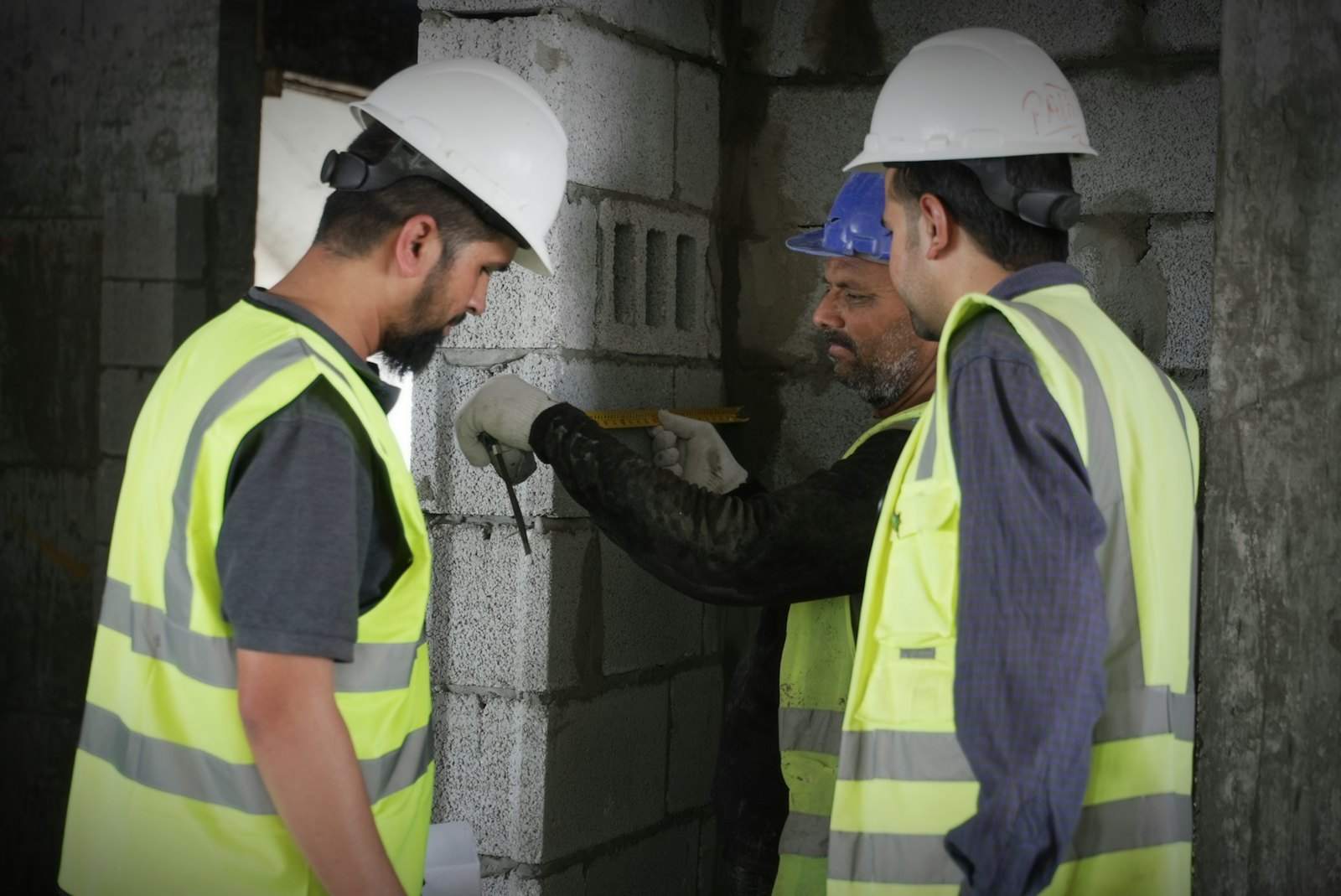
The provider's surveyor or inspection service inspects at the stages that matter most to the structure and the envelope. The plan is usually set before work starts and varies by provider and building, but on an industrial scheme it typically covers:
- ground works, foundations and drainage before they are covered
- the erected frame, before cladding goes on
- roof sheeting, rooflights, gutters and cladding
- the floor slab, where it is part of the cover
- completion, before the final certificate
The inspections are carried out for the provider's own technical standards. They are separate from building control, although both may look at the same stages.

Before cover is arranged
You receive our terms of business and a written statement of your demands and needs before any cover is bought. We also check the provider is likely to be acceptable to your funder, buyer or tenant, though each makes the final decision.
During the build
Tell us or the provider about any change to the design, specification, contractor or programme, so the cover keeps pace with what is actually being built.
At completion and after
Each unit normally gets its own certificate at practical completion, or the scheme is covered under one policy, depending on the provider. The cover then runs for the policy period, and any claim goes to the provider or insurer named on the certificate.
Already started?
Cover once work is under way
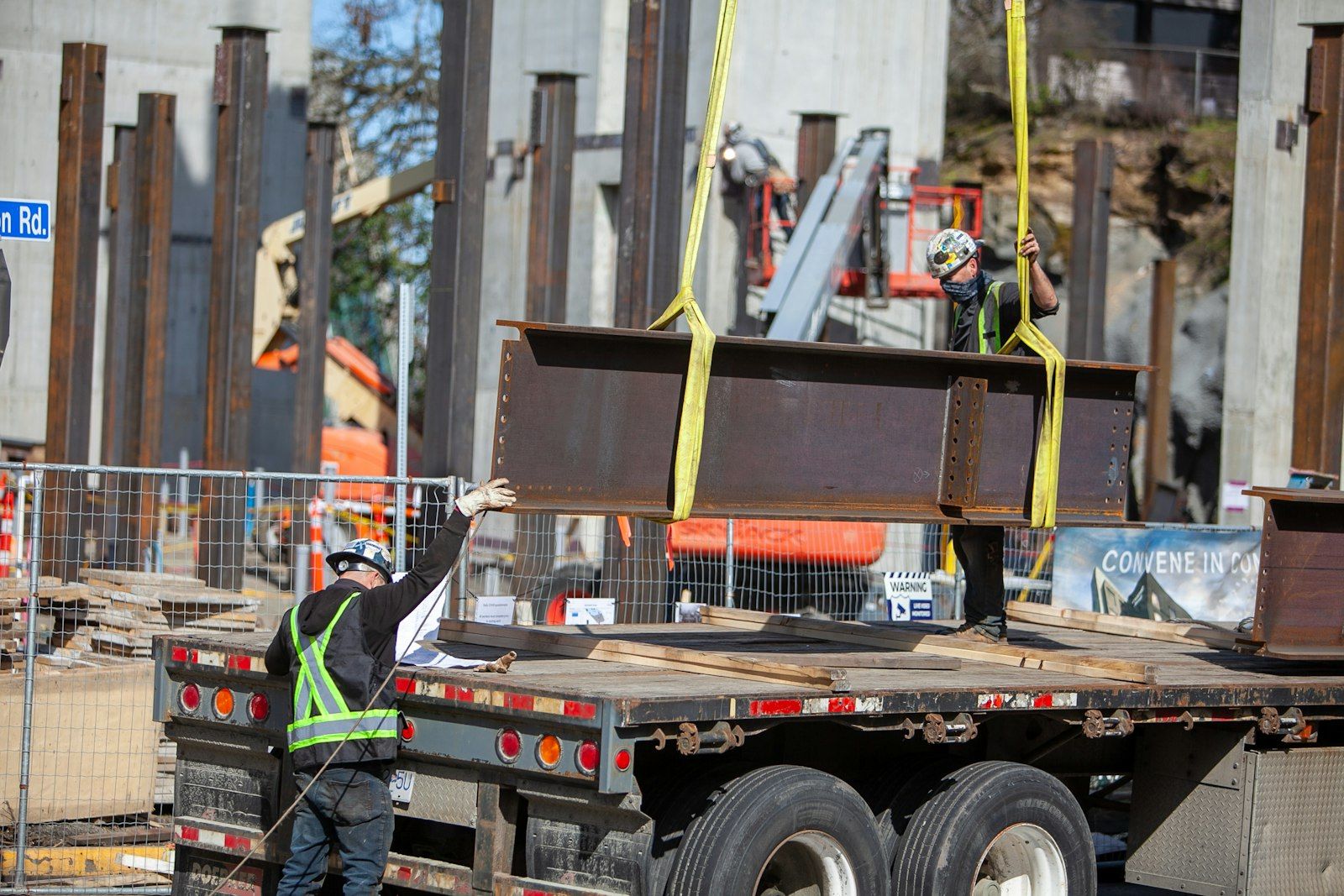
Cover should be registered before work starts on site. If the frame is already up or the slab is down, some providers will still look at the scheme, but they will want evidence of the work they did not see - photographs, test results, engineer's inspection records and building control reports - and the premium is usually higher.
Tell us as soon as you can. For cover after work has started, our sister brand Retrospective Warranties can also help.
How it works - common questions
How long does it take to arrange cover on an industrial scheme?
Once we have the basics we can usually tell you quickly which providers are interested. Firm terms follow the provider's technical review, which is faster when drawings, structural calculations and the ground investigation are ready.
Do we pay anything before accepting a quote?
No. Quotations are free and there is no obligation. Premium and fees only become payable once you accept the terms and the scheme is registered. There is no broker fee to pay. We are paid by commission from the warranty provider, which is included in the premium.
Why do you need to know about funders and tenants?
Because the cover is only useful if the people relying on it accept the provider. We check the provider is likely to be acceptable to them before you commit - each makes the final decision - and that the assignment terms suit the way the building will be sold or let.
What paperwork do we get before cover starts?
Our terms of business and a statement of your demands and needs, followed by the provider's quotation and, once registered, its confirmation of cover. Final certificates follow at completion.
Start with step one
Tell us about your scheme in under a minute and we will take it from there.
- Takes under a minute
- Instant reply by email with your reference
- Insurer quotes usually within one working day of your completed proposal
- Sites anywhere in England, Scotland, Wales and Northern Ireland
- Free and no obligation
Already filled in a proposal form? Email it to us or send it on WhatsApp with any drawings you have and we will take it from there.